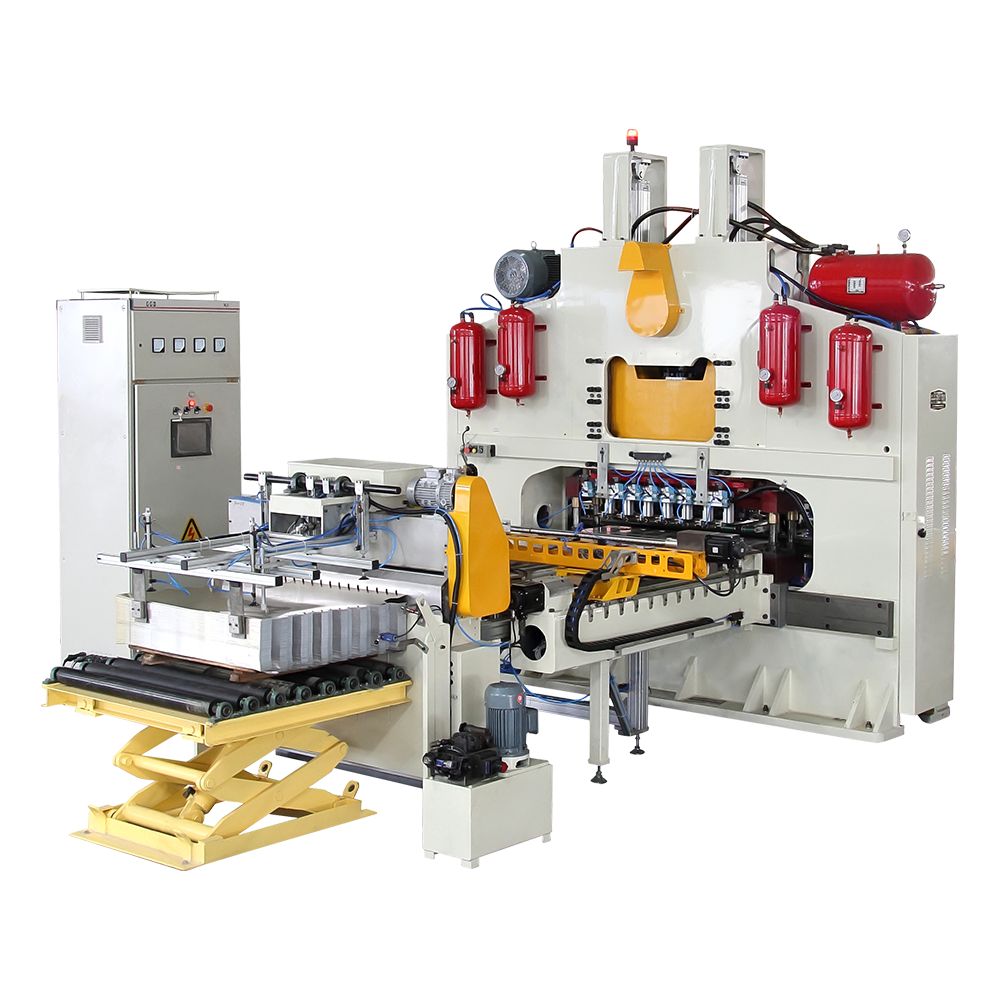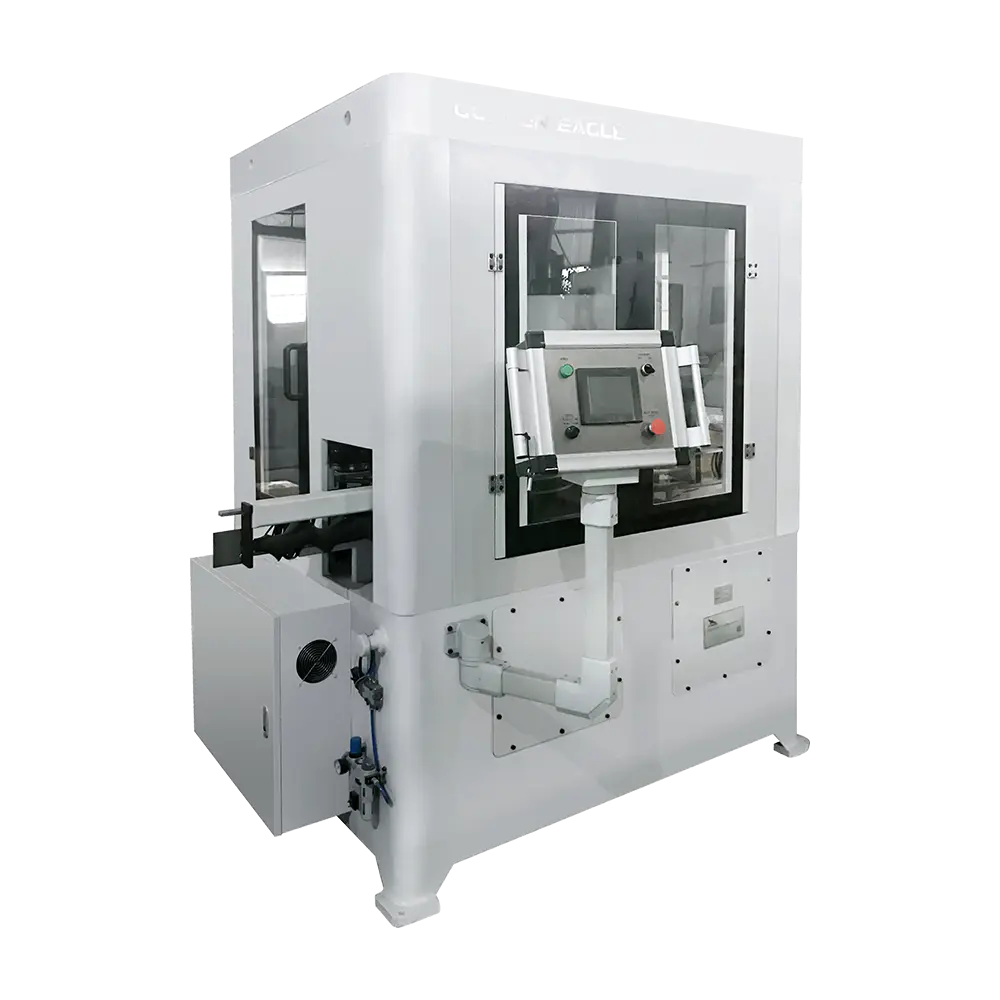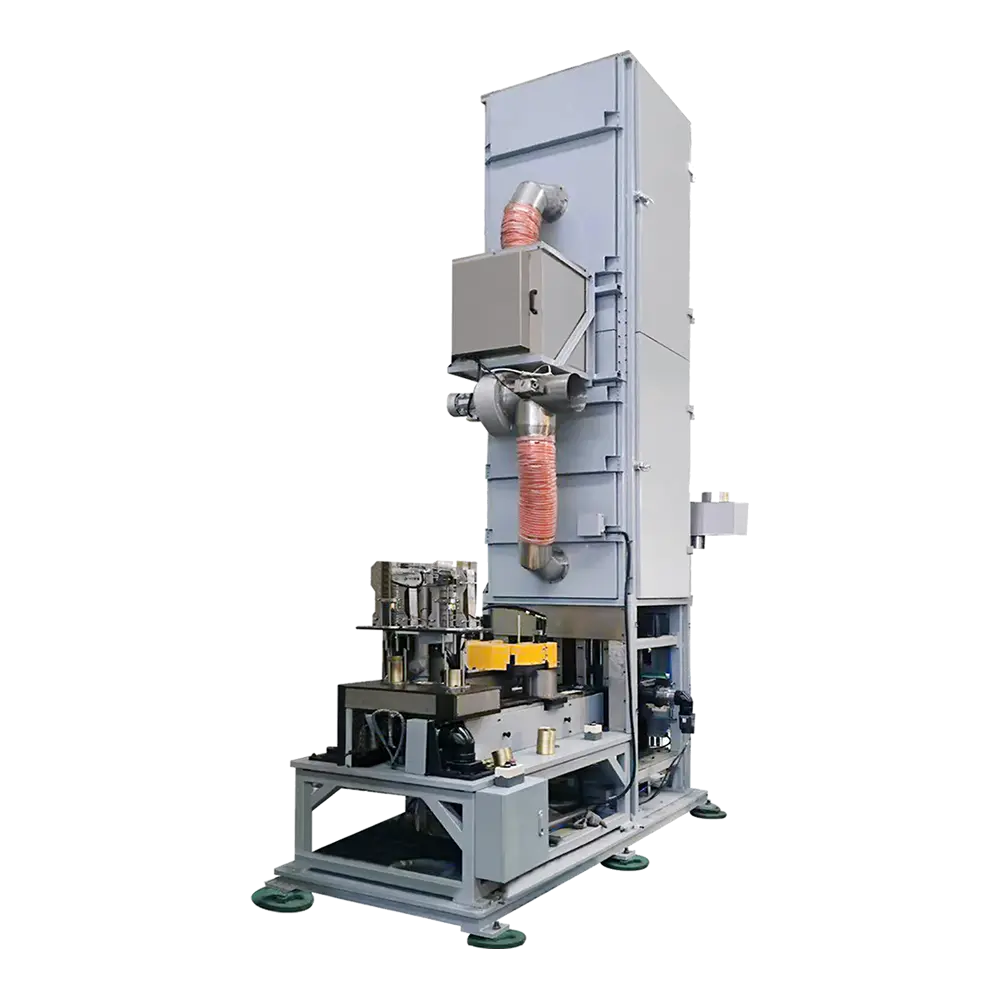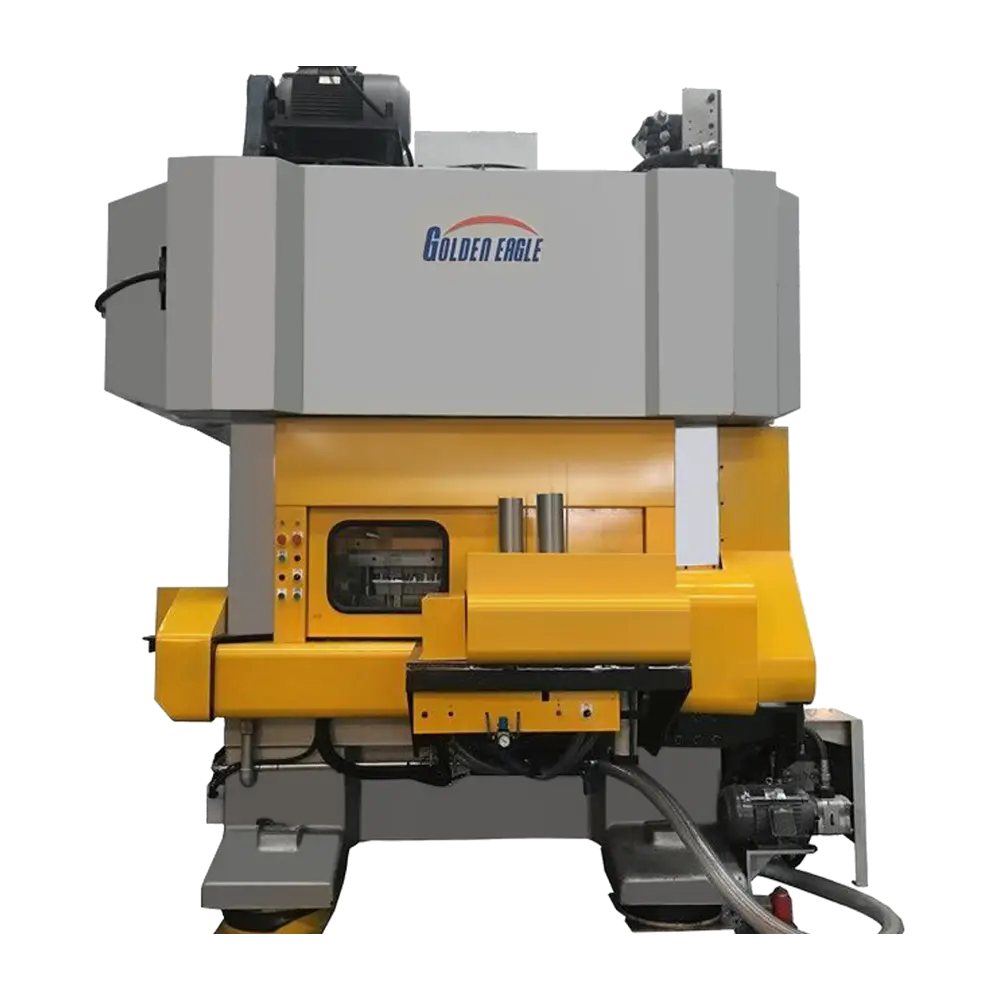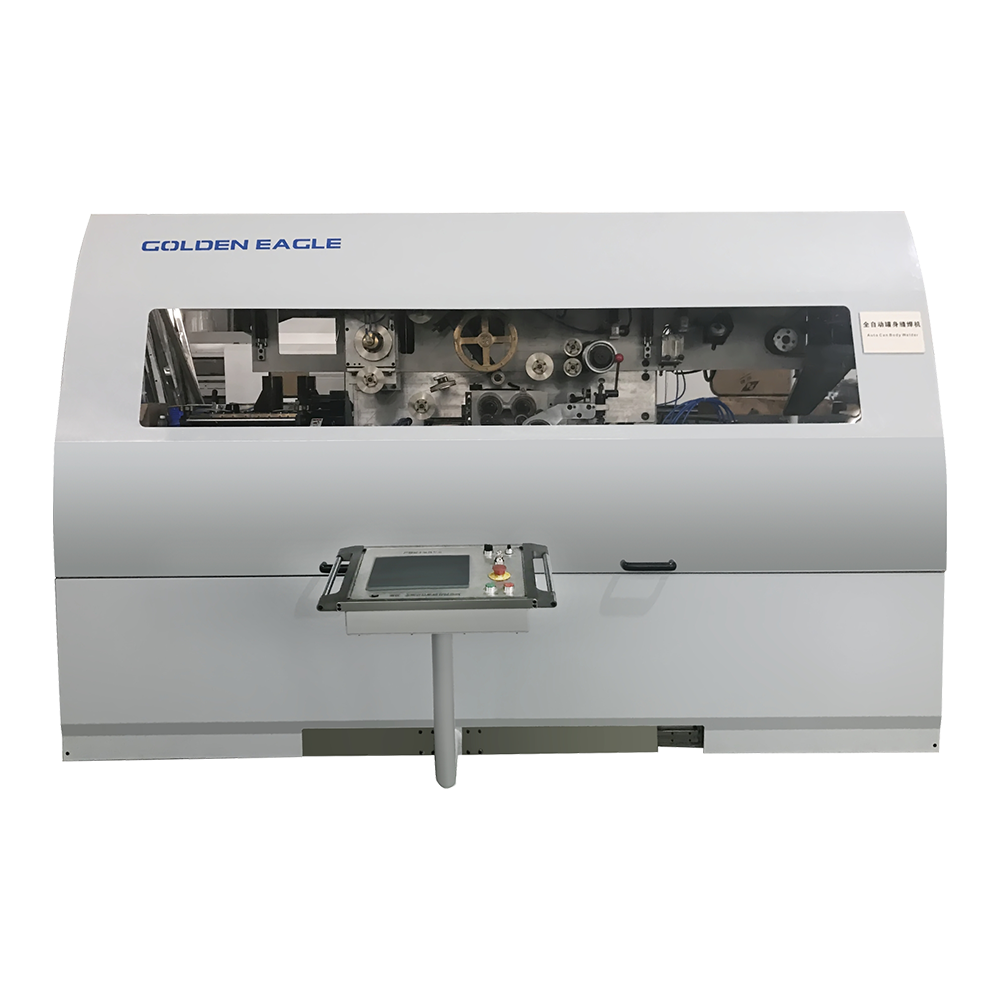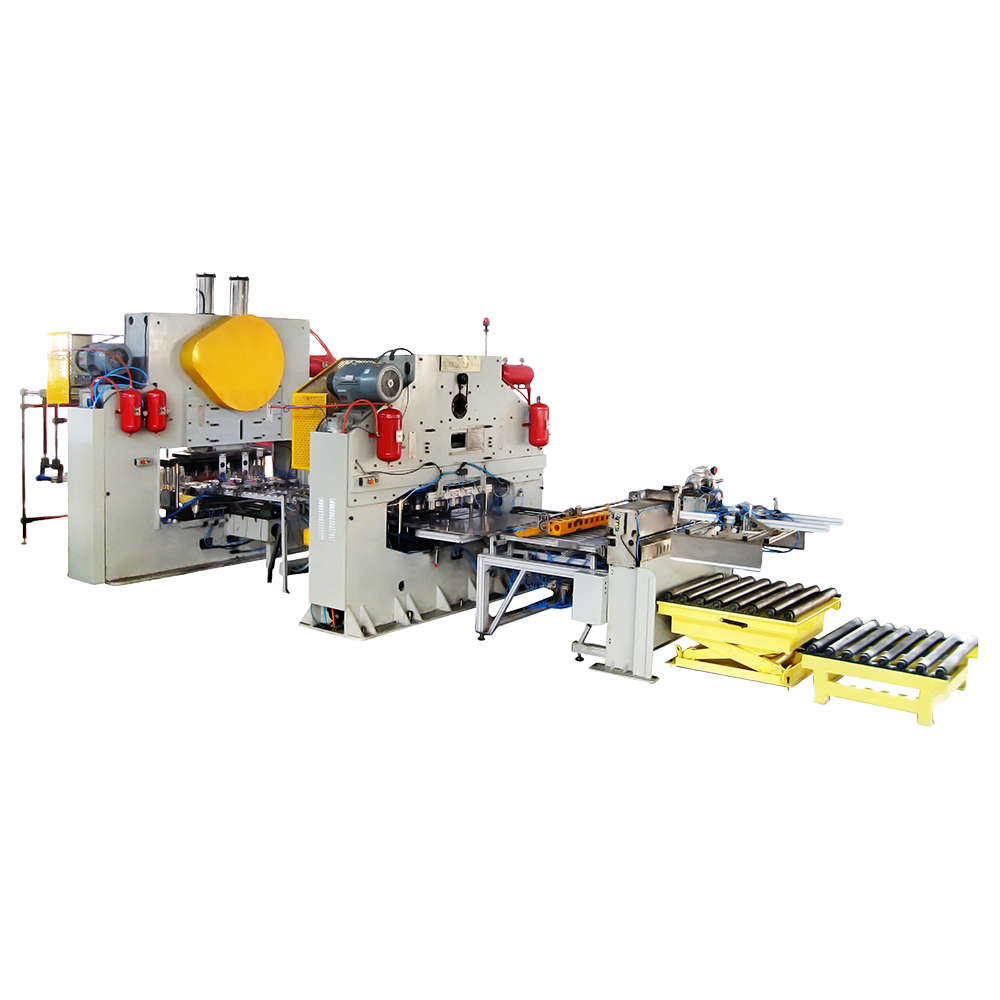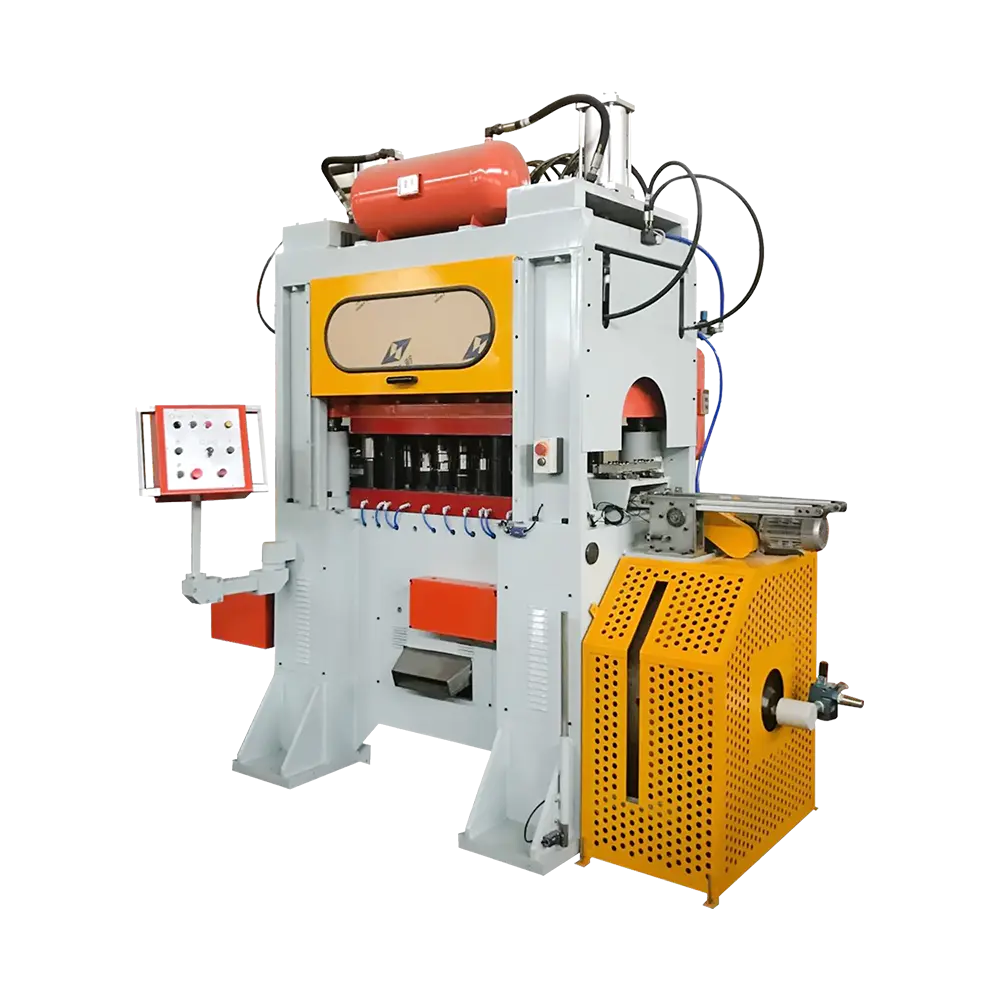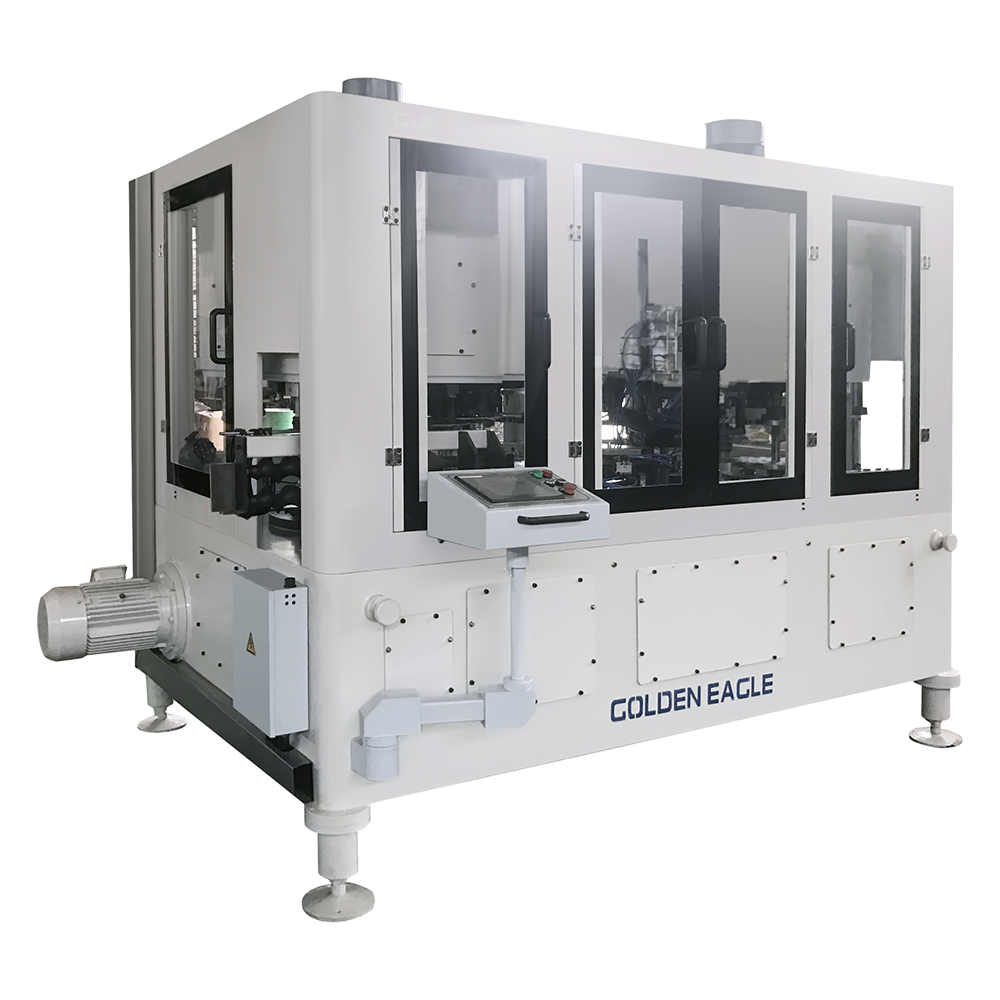

Süt Tozu Kutu Yapımı Makineleri: Gıdaya Uygun Ambalajlama için Hassas Mühendislik
Süt içinzu yapma makineleri fazla üretmek 50 milyar Tipik bir yüksek hızlı üretim hattı çıkışıyla yıllık gıda sınıfı metal kaplar Dakikada 200–400 kutu verimlilikleri aşan %92 . Bu makineler için tanımlayıcı periçinmans ölçütü yalnızca hız değil, aynı zamanda dikiş bütünlüğü oranı —basınç ve sızıntı testini geçen kutuların yüzdesi. Birinci sınıf üretim hatları, yukarıda belirtilen dikiş bütünlüğü oranlarına ulaşır %99,5 , daha düşük seviye ekipman ortalamaları ise %95–97 şu anlama gelen bir fark: milyonlarca dolar Yıllık ürün kaybı ve müşteri iadelerinde. Analizden elde edilen pratik gerçeklik 280 çapında kutu yapımı kurulumları 35 Ülkeler şu şekildedir: Bir süt içinzu konservesi yapma makinesi, aşağıdaki durumlarda en iyi performansı sunar: malzeme kalınlığı şekillendirme parametrelerine tam olarak uyarlanır, takım geometrisi ±2 mikron tolerans dahilinde korunur ve dikiş kürleme profilleri sürekli olarak izlenir . Bu üç kritik kontrol ihmal edildiğinde, en gelişmiş makineler bile sızıntı testlerini geçemeyen, ürünün raf ömründen ödün veren veya görünür dikiş kusurlarına maruz kalan kutular üretir.
Kutu Şekillendirme Süreci: Bobinden Komple Kaba
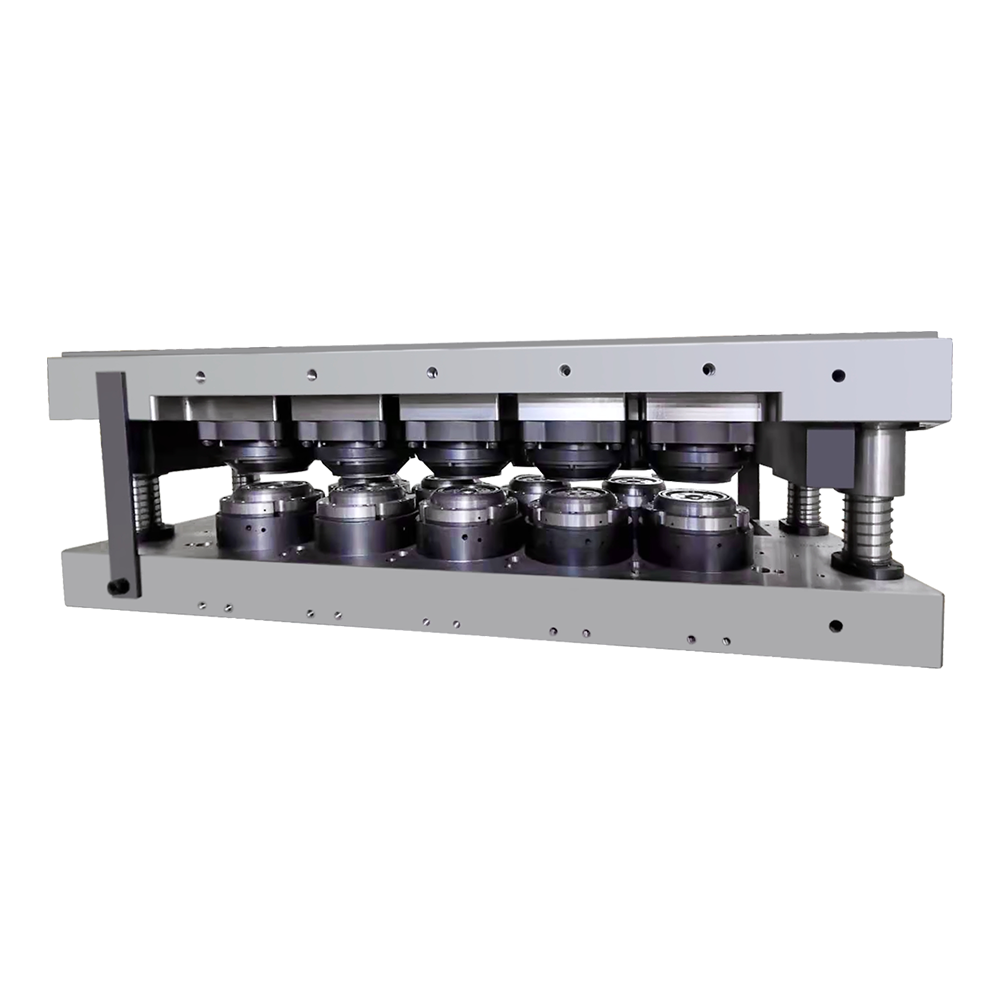
Süt tozu kutusu yapma makinesi, düz metal bobini bitmiş, dikişle kapatılmış bir kaba dönüştüren bir dizi şekillendirme işlemini gerçekleştirir. Süreç tipik olarak aşağıdaki aşamalardan oluşur:
- Bobin besleme ve boşaltma : Makine, bir ana bobinden teneke veya elektrolitik krom kaplı çelik (ECCS) çeker ve dikdörtgen boşlukları hassas toleranslarla keser. ±0,05 mm . Körleme doğruluğu, son kova çapının ve dikiş örtüşmesinin tutarlılığını belirler.
- Vücut haddeleme : İşlenmemiş parça, bir dikiş örtüşmesi oluşturmak için kenarları hassas bir şekilde hizalanacak şekilde silindirik bir forma yuvarlanır. 5–8 mm . Bu aşamadaki yanlış hizalama tahmini bir değere karşılık gelir. %34 dikiş bütünlüğü arızaları.
- Dikiş kaynağı veya lehimleme : Gıdaya uygun süt tozu kutuları için yan dikişler genellikle direnç kaynaklı bakır elektrotlar kullanarak sürekli bir kaynak oluşturarak daha sonra gıdaya uygun lake ile kaplanmıştır metal maruziyetini önlemek için. Kaynak çevrimi şu sürede tamamlanmalıdır: 0,5 saniye Üretim hızlarını korumak için.
- Flanşlama ve boncuk işleme : Üst ve alt kenarlar teneke uçlarını kabul edecek flanşlar halinde oluşturulmuştur. Sertliği artırmak ve istifleme yükleri altında deformasyona direnmek için kutu gövdesine boncuklar (çevresel çıkıntılar) eklenir.
- Dikişi sonlandır : Alt uç gövdeye çift dikişli olup, dolgu yapıldıktan sonra üst uç uygulanarak mühürlenir. çift dikiş Hermetik bir mühür oluşturan süreç. Çift dikiş kalitesi en kritik Kutu bütünlüğünün belirlenmesinde faktör.
Kapsamlı bir performans incelemesi 150 üretim hatları, lazer sensörler ve yüksek hızlı kameralar kullanan, her şekillendirme aşamasında otomatik denetime sahip kutu yapım makinelerinin ilk geçiş verim oranlarını yukarıda koruduğunu buldu %96 , yalnızca hat sonu denetimi olan makinelerin ortalaması alınırken %87 Verim. Otomatik denetim makineleri de gerekliydi %42 daha az yeniden çalışma süresi, üretim ekonomisini doğrudan iyileştirir.
Malzeme Seçimi: Süt Tozu Ambalajı için Teneke ve ECCS Karşılaştırması
Temel malzemenin seçimi, hem konserve yapma makinesinin performansını hem de son kabın gıda güvenliğini önemli ölçüde etkiler. Süt tozu konservesi pazarında iki malzeme hakimdir:
| Mülkiyet | Teneke | ECCS (Elektrolitik Krom Kaplı Çelik) |
|---|---|---|
| Korozyon direnci | Mükemmel | iyi |
| Kaynaklanabilirlik | iyi | Mükemmel |
| Maliyet (göreceli) | 1,0× | 0,85× |
| Lake yapışması | iyi | Mükemmel |
| Şekillendirilebilirlik | Mükemmel | iyi |
Süt tozu ambalajında ECCS, üstün kaynaklanabilirliği ve düşük maliyeti nedeniyle önemli bir pazar payı elde etti. Karşılaştırmalı bir üretim çalışması 12 kutu yapım hatları ECCS'nin bunu başardığını buldu %2,4 daha yüksek Aynı makine ayarları altında teneke levhaya göre ilk geçiş dikiş bütünlüğü. Ancak ECCS, özellikle süt tozunun uzun süre saklandığı yüksek nemli depolama ortamlarında teneke levhanın korozyon direncini karşılamak için daha hassas cila uygulaması gerektirir.
Malzeme kalınlığı da aynı derecede kritiktir. Standart süt tozu kutuları malzeme kalınlıklarını kullanır 0,20–0,25 mm vücut için ve 0,22–0,28 mm sonları için. Daha ince malzemeler malzeme maliyetini azaltır ancak daha sık takım ayarlamaları ve flanşlama işlemi sırasında kırışmaya daha yatkındır. Bir çalışma 650.000 Değişen kalınlıklarda üretilen teneke kutularda gövde kalınlığının azaltılmasının 0,24 mm to 0,20 mm dikiş reddetme oranlarının artması %0,8 to %2,3 , daha yüksek hurda ve yeniden işleme nedeniyle malzeme maliyeti tasarrufunu aşındırır.
Takım Bakımı ve Toleransları: Hassasiyet Gereksinimi
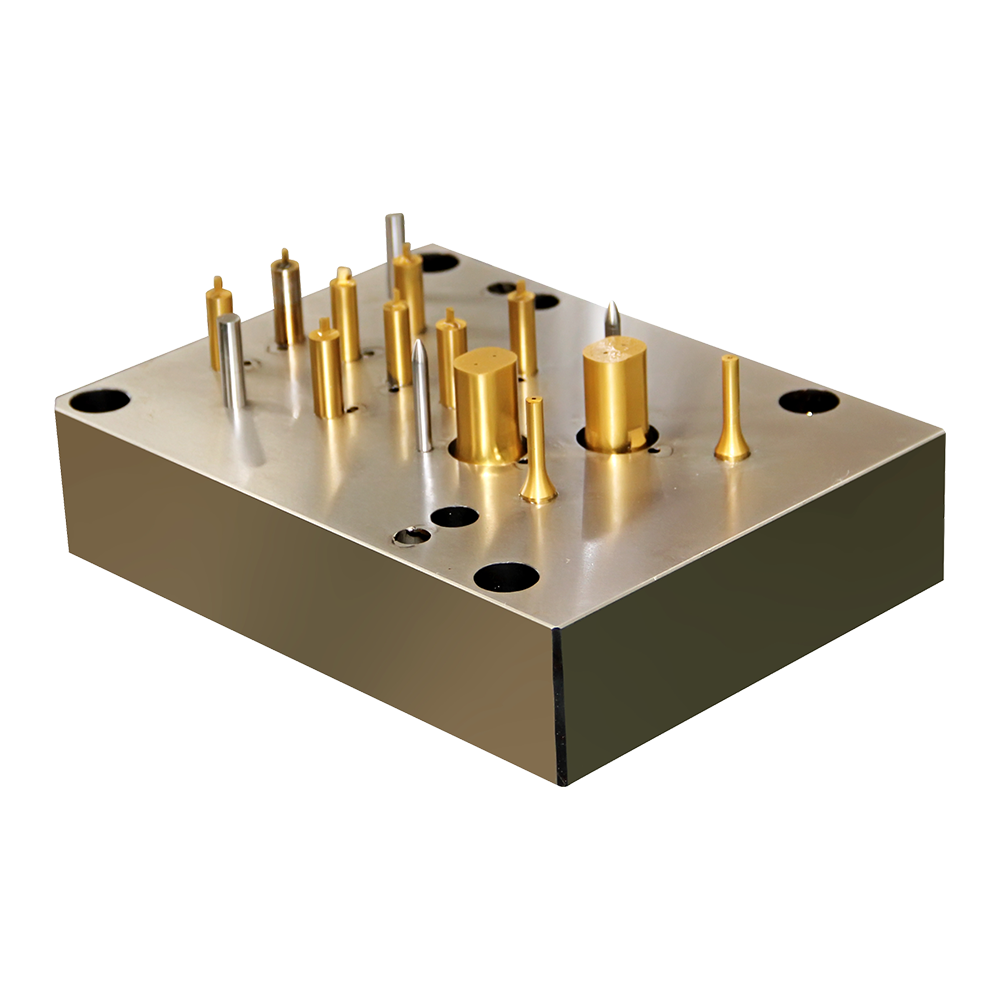
Süt tozu kutusu yapma makinesindeki aletler (şekillendirme ruloları, kaynak elektrotları, flanş halkaları ve dikiş makineleri) aşırı koşullar altında çalışır. Şekillendirme ruloları geçebilir 500–800 Dakikadaki döngü sayısı, tek bir rulonun tamamlanabileceği anlamına gelir 100 milyon sürekli faaliyet gösteren bir yıl içinde operasyonlar oluşturmak. Bu yoğun görev döngüsü, hem hassas üretim hem de disiplinli bakım gerektirir.
Kutu yapımı takımları için kritik tolerans gereksinimleri şunlardır:
- Kaynak elektrodu hizalaması : Bakır elektrotlar aynı hizada olmalıdır ±0,1 mm dikiş boyunca. Ötesinde yanlış hizalama 0,2 mm lokal aşırı ısınma ve dikiş gözenekliliği üreterek sızıntı arızalarına neden olur. Elektrotlar genellikle gerektirir her 2-4 haftada bir yeniden profilleme ve her seferinde tam değiştirme 6-8 ay .
- Flanş kalıbı açıklığı : Erkek ve dişi flanş kalıpları arasındaki açıklık korunmalıdır. 0,08–0,12 mm Optimum metal akışı için. Bu aralığın dışındaki açıklık, flanş çatlamasına (çok sıkıysa) veya yetersiz flanş oluşumuna (çok gevşekse) neden olur. Sadece bir açıklık sapması 0,05 mm flanş arıza oranlarını artırır %300 .
- Seamer rulo profilleri : Çift dikişi oluşturan dikiş silindirleri aşağıdaki yüzey bitirme işlemlerini gerektirir Ra 0,8 mikron . Silindir yüzeyindeki herhangi bir aşınma veya çizilme doğrudan dikişe geçerek görünür kusurlara neden olur ve sızdırmazlık bütünlüğünü tehlikeye atar.
Bir bakım kıyaslama çalışması 85 konserve yapım hatları, tesislerin haftalık takım denetimleri ve önleyici değiştirme programları dikiş bütünlüğü oranlarının yukarıda tutulması %99,2 . Olanaklar reaktif takım bakımının ortalaması (yalnızca reddedilenler fark edilir hale geldiğinde değiştirilir) %96,4 dikiş bütünlüğü ve gerekli 4,2 kez daha fazla plansız aksama süresi. İki yaklaşım arasındaki takım bakımındaki yıllık maliyet farkı şuydu: 18.000 $ – 25.000 $ ancak verim kaybı farkı değdi 300.000 ABD Doları – 500.000 ABD Doları kayıp üründe - disiplinli takım bakımı için açık bir ekonomik argüman.
Dikiş Bütünlüğü ve Sızıntı Testi: Kalite Güvence Omurgası
Kutu uçlarını kapatan çift dikiş, süt tozu ambalajında en kritik kalite özelliğidir. Arızalı bir dikiş, oksijen ve nem girişine izin vererek süt tozunun raf ömrünü ve besin profilini tehlikeye atar. Süt tozu kutuları için kabul edilen sızıntı oranı: ≤1×10⁻⁵ mbar·L/s (tipik helyum sızıntısı testinde tespit edilemeyen sızıntıya eşdeğerdir). Bunu başarmak, birden fazla düzeyde kalite güvencesi gerektirir:
- Proses içi dikiş kalınlığı izleme : Lazer mikrometreler dikiş kalınlığını ve yüksekliğini gerçek zamanlı olarak ölçer. Kabul edilebilir dikiş kalınlığı tipik olarak 0,65–0,75 mm standart bir süt tozu kutusu için. ±0,05 mm'yi aşan sapmalar kovanın otomatik olarak reddedilmesine neden olur.
- Basınç düşüşü testi : Teneke kutulara hava basıncı uygulanır ve belirli bir süre boyunca basınç düşer (tipik olarak 5–10 saniye ) ölçülür. Aşırı basınç düşüşü 10 Pa dikiş sızıntısını gösterir. Yüksek hızlı hatlar test yapabilir %10–20 Üretimin istatistiksel olarak, prim hatları testi ise %100 kutulardan.
- Tahribatlı dikiş testi : Bir projeksiyon mikroskobu kullanılarak dikiş kesitlerini ölçmek için numune kutuları açılır. Kritik ölçümler dikiş kalınlığı, örtüşme uzunluğu ve kanca uzunluğu . Bir anket 320 Kutu yapımı operasyonları, hatların her gün yıkıcı testler yaptığını tespit etti. 2 saat elde edildi %0,2 saha arıza oranları, yalnızca her testi yapanlar 8 saat deneyimli %1,1 alan arıza oranları.
Süt tozu endüstrisinde sızıntıya bağlı getirilerin yıllık maliyeti şu şekilde tahmin edilmektedir: 120 milyon dolar ile küresel olarak %78 Bu iadelerin büyük bir kısmı kutu gövdesi arızalarından ziyade dikiş kusurlarına atfedilebilir. %100 basınç kaybı testi de dahil olmak üzere kapsamlı dikiş inceleme kapasitesine yatırım yapmanın belgelenmiş bir geri ödeme süresi vardır: 8-14 ay azaltılmış getirilere ve artan müşteri memnuniyetine dayanmaktadır.
Üretim Hızı ve Verimliliği: Üretim Hızını Kaliteyle Dengelemek
Modern süt tozu kutusu yapma makineleri, çeşitli üretim hızları sunar. Dakikada 150 ila 450 kutu , en hızlı makineler yaklaşırken Dakikada 500 kutu ideal koşullarda. Ancak hız, kalite ve takım ömrüne göre dengelenmelidir. Bir üretim çalışması takibi 30 makineler bitti 3 yıl çalışma hızı ile temel performans göstergeleri arasında açık bir ilişki olduğunu belgelemiştir:
- 200 kopya/dk'nın altında : Dikiş bütünlüğü %99,4 , takım ömrü 14 ay , enerji tüketimi 1.000 kutu başına 120 kWh .
- 200–320 kopya/dakika : Dikiş bütünlüğü %99,1 , takım ömrü 10 ay , enerji tüketimi 1.000 kutu başına 105 kWh —the optimum verimlilik bölgesi çoğu işlem için.
- 320 kopya/dakikanın üzerinde : Dikiş bütünlüğü %98,2 , takım ömrü 7 ay , enerji tüketimi 1.000 kutu başına 98 kWh . Hız kazancının maliyeti %1,2 daha yüksek reddetme oranları ve %50 takımların daha sık değiştirilmesi.
Çoğu süt tozu üreticisi için en uygun üretim hızı, 250–300 kopya/dakika ürün yelpazesini kalite ve takım ekonomisiyle dengeliyor. Bu hızda, tipik günlük çıktı 350.000–420.000 makine başına kutu sayısı (bakım kesintisi ile 24 saatlik çalışma varsayılarak), endüstri lideri kalite standartlarını korurken üretim taleplerini desteklemeye yeterlidir.
Lake Uygulaması ve Kürleme: Gıda Güvenliğinin ve Raf Ömrünün Sağlanması
Süt tozu kutuları, metalin ürünle temasını önlemek ve korozyona karşı koruma sağlamak için dahili lake kaplama gerektirir. Lake uygulama prosesi, gıda sınıfı epoksi veya polyester kaplamanın sprey veya rulo ile uygulanmasını ve ardından sıcaklıkta termal kürlemeyi içerir. 180–200°C for 8–15 dakika .
Yetersiz kürleme kaplama başarısızlığının önemli bir kaynağıdır. Bir çalışma 1.800 Lake bütünlüğü açısından test edilen kutular, az kürlenmiş cilanın (kürlenme süresi) 6 dakikanın altında sıcaklıkta) gösterdi %45 daha yüksek gözeneklilik ve 3 kez imbik sterilizasyonu sırasında kabarmaya karşı daha fazla duyarlılık. Ortaya çıkan metal maruziyeti, kötü tatlar süt tozunun içinde bulunur ve raf ömrünü kısaltır. 24 ay o kadar az 6-8 ay .
Kaplama kalitesini korumak için kürleme fırını sıcaklık profillerinin gerçek zamanlı izlenmesi çok önemlidir. Fırınlar sıcaklık homojenliğini korumalıdır. ±5°C tüm kürleme bölgesi boyunca ve bant hızı belirli bir aralıkta kontrol edilmelidir. ±%2 Tutarlı kalma süresi sağlamak için. Otomatik fırın izleme ve kontrolüne sahip tesisler aşağıdaki kaplama kusur oranlarına ulaşıyor %0,3 manuel izleme ortalamasına sahip olanlar ise %1,8 kaplama kusurları—ürün raf ömrünü ve marka itibarını doğrudan etkileyen bir fark.
Sektör Karşılaştırmaları: İyi Performans Neye benziyor
Toplanan verilere dayanarak 280 Kutu yapımı operasyonlarında, aşağıdaki kriterler süt tozu kutusu yapım makineleri için sektördeki en iyi uygulama performansını temsil etmektedir:
- Genel Ekipman Verimliliği (OEE) : Sınıfının en iyisi operasyonlar elde edilir OEE > %88 sektör ortalamasıyla karşılaştırıldığında %75–80 . Birincil OEE kayıpları takım değişimleridir (tipik olarak %12–15 planlı aksama süresi) ve planlanmamış makine duruşları (başka bir %8–10 ).
- Hurda Oranı : Liderler başarır %1,5'tan az toplam hurda; ıskarta oranları, gövde oluşturma kusurları ve dikiş kusurları arasında kabaca eşit olarak bölünmüştür. Sektör ortalama hurda oranı %3,0–4,5 önemli bir ekonomik açığı temsil etmektedir.
- Bin Kutu Başına Kalıplama Maliyeti : Sınıfının en iyisi operasyonlar elde edilir tooling costs below 1000 kutu başına 8$ . Sektör ortalaması 1.000 kutu başına 12–18 ABD doları , fark öncelikle takım bakım disiplini ve çalışma hızı seçimine bağlıdır.
- Değişim Süresi : Liderler başarır can size changeovers in 45 dakikanın altında ; sektör ortalaması 90–120 dakika . Süt tozu üreticileri ihracat pazarının taleplerini karşılamak için birden fazla kutu boyutu sunduğundan, hızlı değişim yeteneği giderek daha önemli hale geliyor.
Bu kriterlerin altına düşen operasyonlar genellikle takım yönetimi, proses otomasyonu ve operatör eğitiminde iyileştirme fırsatlarını gösterir. En etkili iyileştirme programları bir araya geliyor gerçek zamanlı izleme panoları (operatörlere önemli parametreler hakkında anında geri bildirim sağlar) yapılandırılmış kök neden analizi her reddetme durumu için. Bu programları uygulayan tesisler belgelenmiştir %12–18 12 ay içinde OEE'de iyileşmeler sağlanacak ve buna karşılık işletme maliyetinde de azalmalar sağlanacak.